




A property that needs renovation can look like an opportunity.
Lower purchase price. Room to improve. Potential equity. The chance to create a home that feels completely your own.
But a fixer-upper can also become expensive very quickly if the purchase is based on assumptions rather than numbers.
For buyers considering renovation properties in Middle Tennessee, the goal should not simply be to find the cheapest home available.
The goal is to understand the property's true cost, realistic improvement potential, and likely value after the work is complete.
Why Buyers Consider Fixer-Uppers
Renovation properties can appeal to several different types of buyers.
Some are homeowners who want to buy in a location they love but cannot find a move-in-ready home within their preferred budget.
Others are small residential investors looking for a property they can improve and eventually resell or rent.
A fixer-upper may offer:
- A lower initial purchase price
- Access to a desirable neighborhood
- Opportunities to customize the property
- Potential to create equity
- Investment or resale potential
But none of those outcomes are guaranteed.
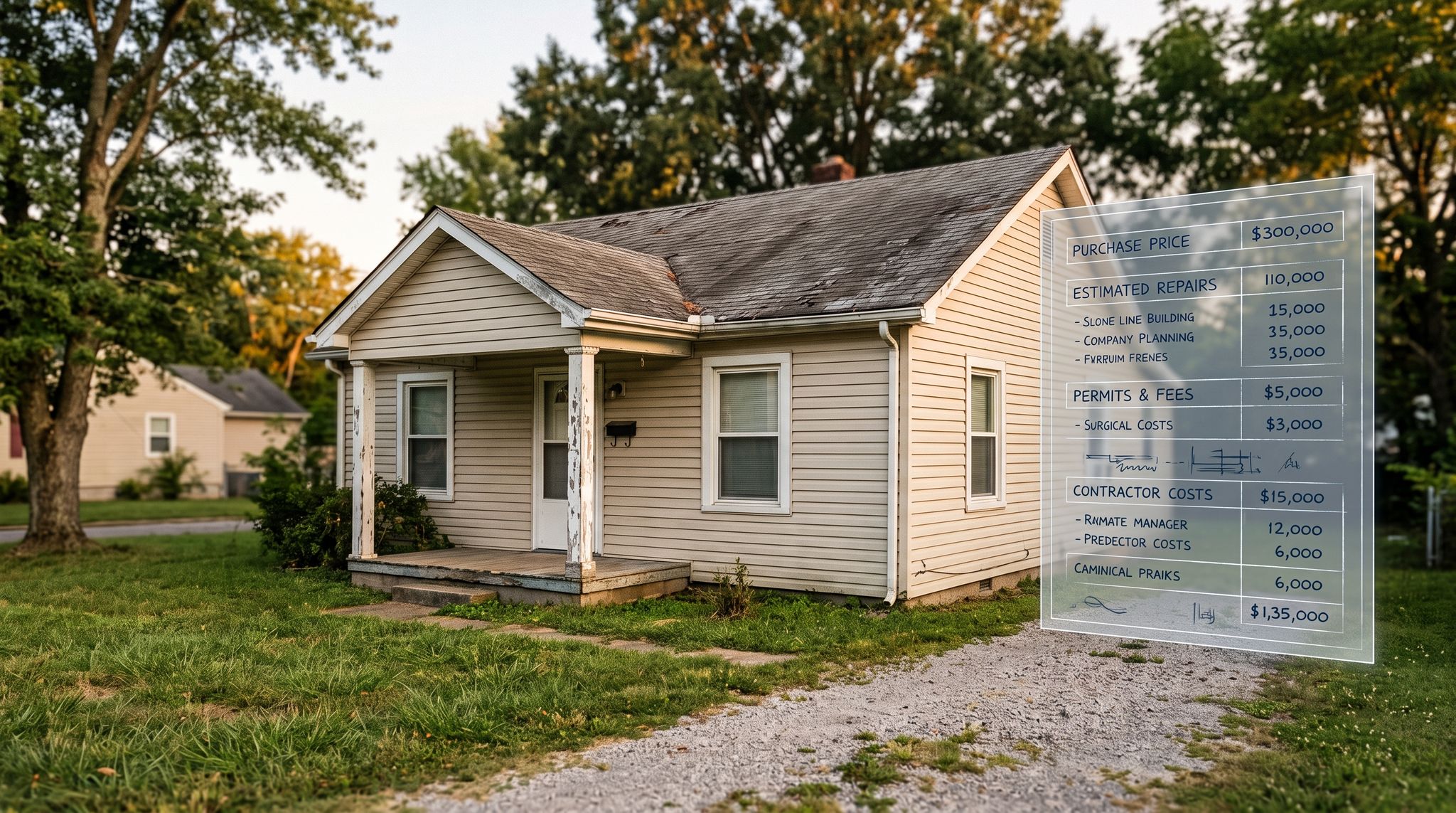
The Purchase Price Is Only the Beginning
One of the biggest mistakes renovation buyers can make is focusing only on the asking price.
A property listed below comparable homes may look attractive, but the real question is:
What will the property cost after necessary repairs and improvements?
Your actual investment may include:
- Purchase price
- Closing costs
- Inspection costs
- Structural repairs
- Roofing
- Plumbing
- Electrical work
- HVAC
- Flooring
- Kitchen improvements
- Bathroom renovations
- Landscaping
- Permits
- Contractor costs
- Financing costs
- Unexpected repairs
Even smaller projects can become significantly more expensive once work begins.
Start With the Inspection
A cosmetic problem is very different from a structural problem.
Paint, flooring, fixtures, and landscaping can often be estimated relatively easily.
Foundation issues, water intrusion, roofing problems, electrical systems, plumbing, or major mechanical systems can change the economics of the entire purchase.
A professional inspection can help identify issues that may not be obvious during a showing.
For renovation buyers, due diligence is not just a formality. It is part of the investment calculation.
Understand the Neighborhood Before Renovating
A beautifully renovated home does not automatically become worth whatever you spent improving it.
The surrounding market still matters.
Before making a renovation decision, review:
- Recent comparable sales
- Typical home values in the neighborhood
- What updated homes are actually selling for
- Buyer demand
- Average days on market
- Current competing listings
- The features buyers expect at that price point
There is a practical limit to how much value certain improvements can add.
Spending $100,000 on upgrades does not necessarily increase a home's market value by $100,000.
What Is After-Repair Value?
Investors often refer to after-repair value, or ARV.
This is an estimate of what a property may be worth after the planned improvements are completed.
It should be based on comparable renovated properties, not simply on what the buyer hopes the property will be worth.
A realistic ARV calculation is particularly important if the plan involves resale.
The difference between:
purchase price + renovation costs and realistic resale value needs to be large enough to account for additional costs, risk, and market changes.
Do Not Forget Holding Costs
For investment buyers, renovation costs are not the only expense.
If the property is held for several months, you may also need to account for:
- Loan payments
- Insurance
- Property taxes
- Utilities
- Lawn care
- HOA expenses
- Contractor delays
- Selling costs
- Real estate transaction costs
A project that looks profitable on paper can become much less attractive when holding costs are included.
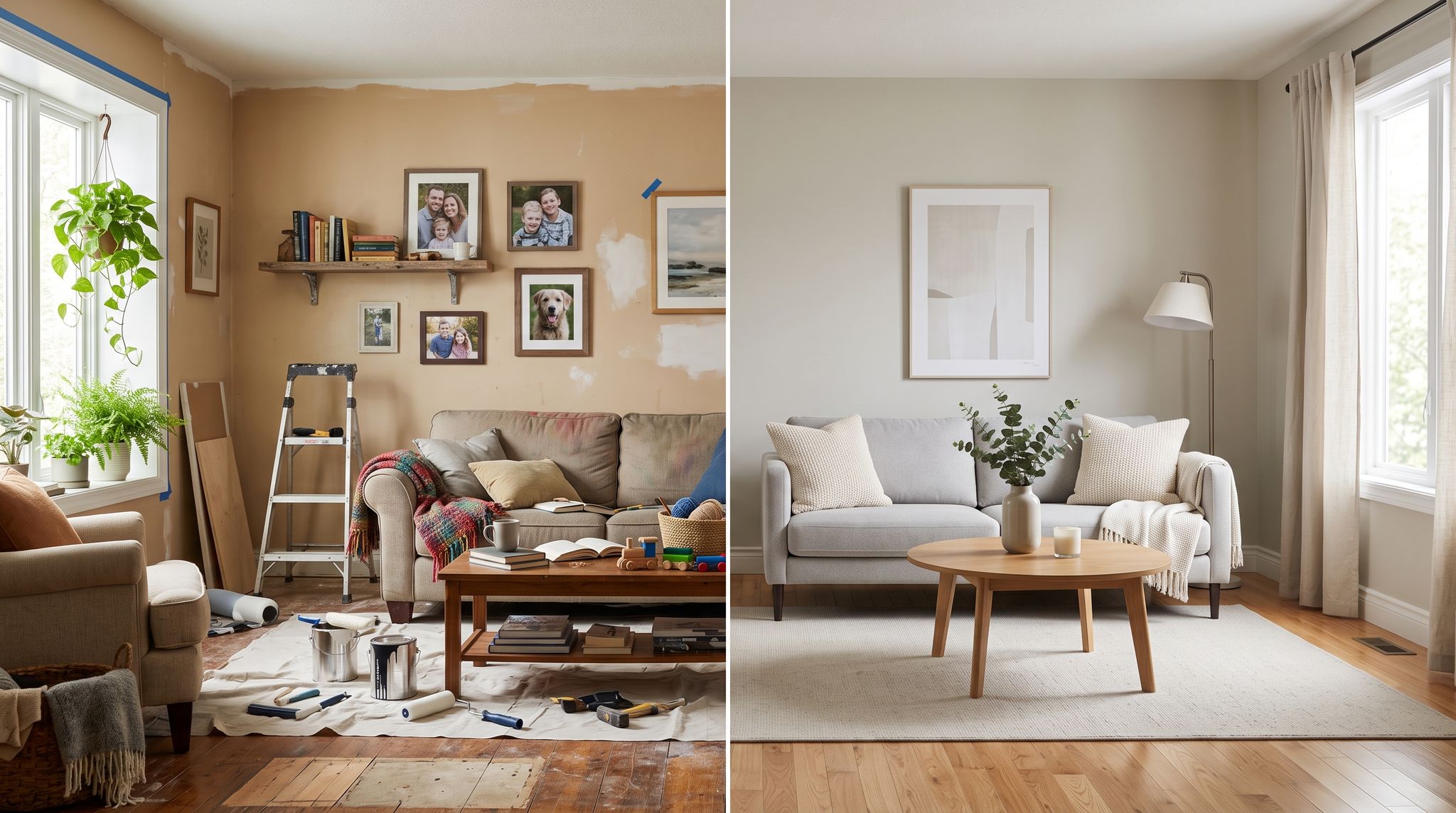
Renovating to Live There vs. Renovating to Sell
The strategy changes depending on your goal.
If you are renovating the home for yourself:
You may be willing to spend more on finishes, personalization, and improvements that matter to your lifestyle.
The financial return is still relevant, but it is not the only consideration.
If you are renovating for resale:
The numbers become much more important.
Renovations should generally focus on improvements that buyers in that specific market value.
Over-customizing can reduce your potential return.
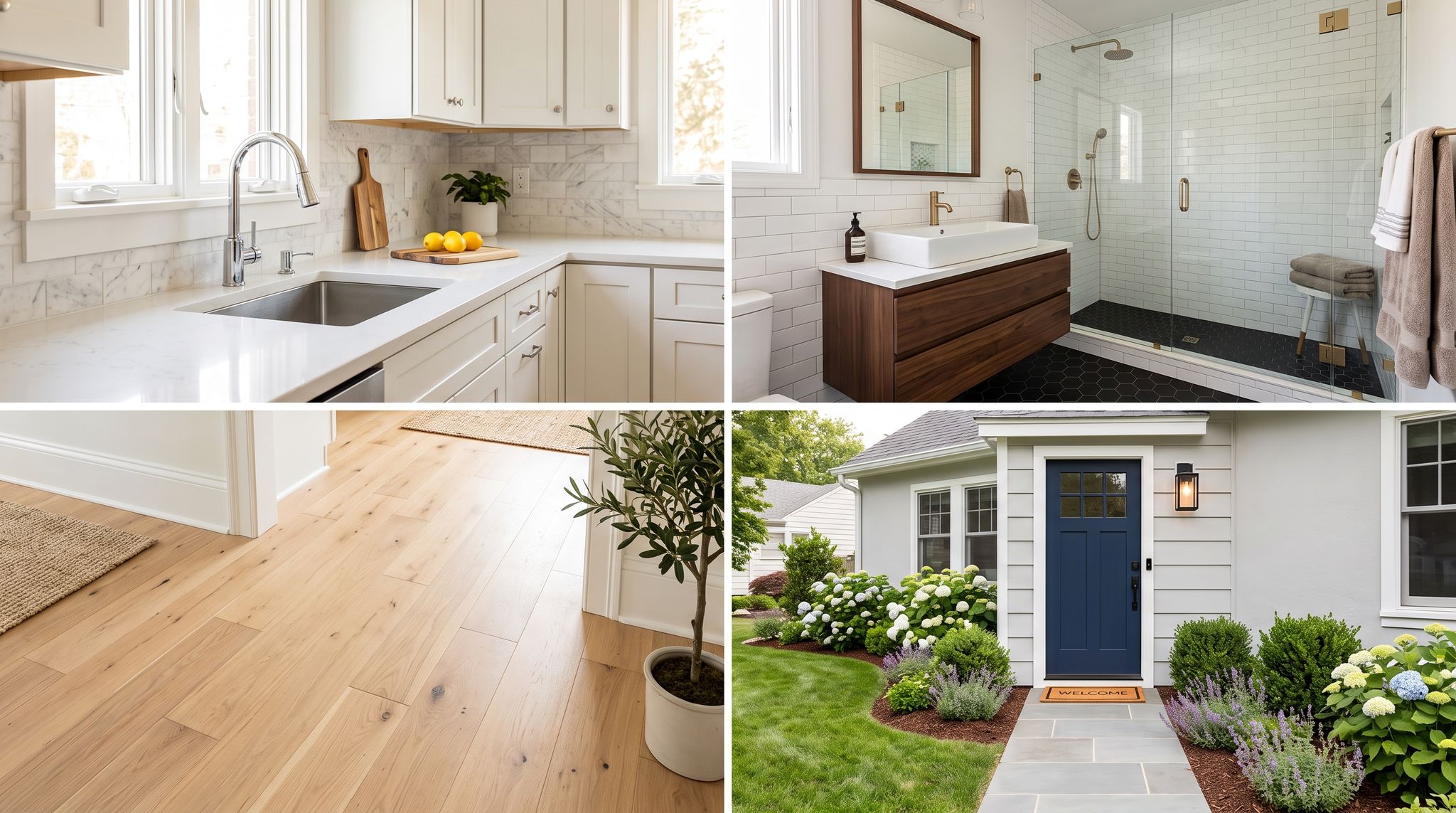
What Improvements Tend to Matter Most?
Every property is different, but buyers often respond strongly to improvements involving:
- Kitchens
- Bathrooms
- Flooring
- Fresh paint
- Lighting
- Curb appeal
- Functional layouts
- Major systems in good condition
The goal is not necessarily to make everything expensive.
It is to make the property feel well-maintained, functional, and appropriate for the surrounding market.
When Should You Walk Away?
Sometimes the best investment decision is not buying the property.
Consider walking away if:
- The renovation budget is highly uncertain
- Significant structural issues are discovered
- Comparable sales do not support the projected value
- The project relies on unrealistic appreciation
- The margin becomes too small after all costs
- Financing does not support the project
- The timeline creates too much risk
A good opportunity should still make sense when conservative assumptions are used.
Small Residential Investment Requires Local Context
Middle Tennessee contains many different micro-markets.
A renovation strategy that works in one Murfreesboro neighborhood may not make sense somewhere else.
Property type, location, purchase price, buyer demand, and resale expectations all need to be evaluated together.
That is why local real estate guidance is valuable before making an investment decision.
Looking for a Renovation or Investment Opportunity?
ELAM Real Estate can help you identify properties, review comparable sales, understand the surrounding market, and evaluate opportunities more carefully before you make an offer.
Whether you are looking for a home you can improve over time or exploring a small residential investment, the first step is understanding the numbers behind the opportunity.
Talk with an ELAM agent about renovation and investment properties currently available across Middle Tennessee.
Check out this article next